 English
 German
 French
 Russian
 Spanish
 Japanese
 Korean
 Portuguese
 Ukrainian
 Arabic
 Italian
Quality Control Checks in Drinkware Manufacturing
The drinkware manufacturing process is intricate and requires meticulous quality control checks at various stages to ensure the final products meet high-quality standards. These checks are critical to maintaining customer satisfaction and upholding brand reputation. Below, we explore the quality control measures implemented at different phases in the production process.
1. Raw Material Inspection
Drinkware quality begins with the careful selection of raw materials. Quality inspectors evaluate the materials to ensure they meet specifications, are free of defects, and conform to industry standards for safety and durability. Common checks include assessing the grade of stainless steel or plastic and inspecting for impurities or inconsistencies.
2. Production Process Monitoring
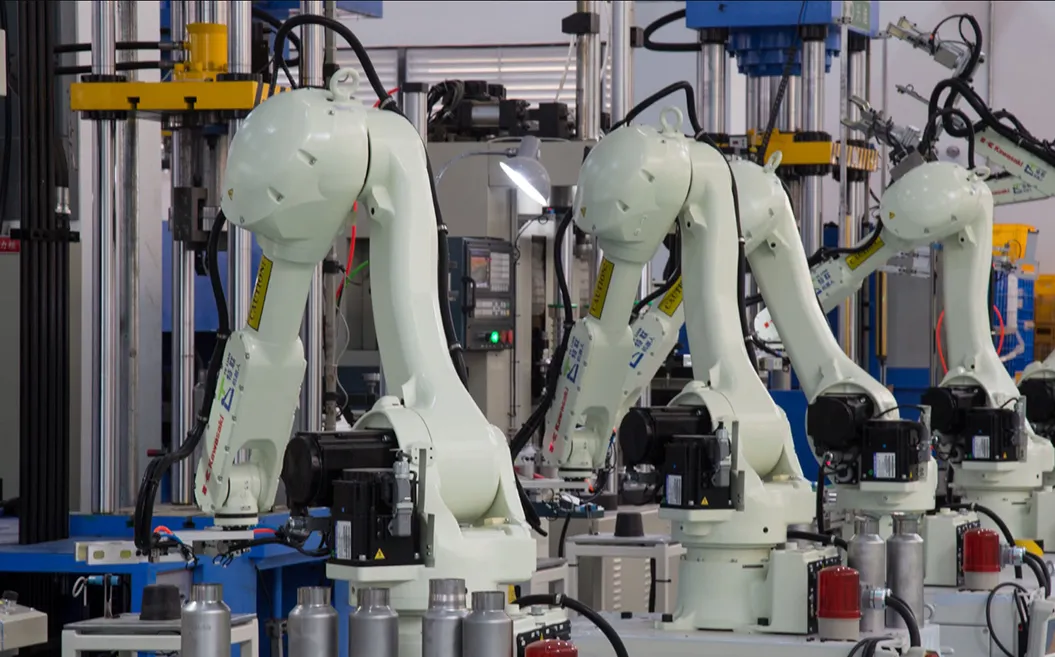
During manufacturing, constant monitoring ensures that machines and equipment produce items consistently within specified parameters. This phase involves supervising processes such as molding, cutting, and polishing. Any deviations are identified and corrected immediately to minimize waste and ensure uniformity across all items.
3. Surface Treatment and Coating
Many drinkware items undergo surface treatments, such as powder coating or vacuum plating, for aesthetics and durability. Quality checks at this stage involve verifying adhesion strength, checking for uneven finishes, and ensuring the coatings are non-toxic and safe for food contact.
4. Assembly and Functional Testing
If the drinkware includes functional parts, like lids, seals, or handles, assembly quality control becomes crucial. Inspectors test components for fit, sealing capability, and ease of use. Leak tests and thermal insulation tests are common for items such as vacuum-insulated tumblers and flasks.
5. Final Product Inspection
Before packaging, finished products undergo thorough inspections to ensure they are free of cosmetic flaws such as scratches or dents. Additionally, branding elements such as logos and labels are verified for accuracy and quality.
6. Packaging Quality Control
The final stage involves ensuring that drinkware is packaged securely and attractively. Packaging is inspected for strength, aesthetic appeal, and proper labeling to guarantee that it protects the product during shipping and appeals to consumers in retail environments.
In conclusion, quality control in drinkware manufacturing involves a multi-stage approach, from raw materials to packaging. These checks ensure that consumers receive durable, safe, and visually appealing products.