 English
 German
 French
 Russian
 Spanish
 Japanese
 Korean
 Portuguese
 Ukrainian
 Arabic
 Italian
How Does the Performance of Stainless Steel Insulated Bottles Compare to Other Materials?
When choosing a reusable bottle, performance matters: how long it keeps drinks hot or cold, how durable it is, and whether it’s safe and eco‑friendly. Stainless steel insulated bottles—like those from Skaif Flask—have become the benchmark, but how do they really compare to bottles made from plastic, glass, or aluminum?
1. Temperature Retention: Why Stainless Steel Leads
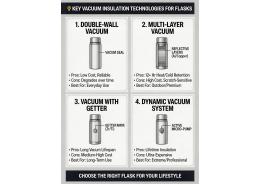
The core reason stainless steel insulated bottles perform so well is double‑wall vacuum insulation. This technology creates an airless space between two layers of stainless steel, dramatically reducing heat transfer by conduction and convection.
1.1 Compared to Plastic Bottles
Most plastic bottles are single‑wall, meaning there’s no insulating layer. Heat passes directly through the plastic, so cold drinks quickly warm to room temperature and hot drinks cool rapidly. Even thicker plastic or “insulated” plastic designs rarely match the performance of true vacuum insulation.
By contrast, a high‑quality stainless steel insulated bottle can typically:
- Keep cold drinks chilled for many hours
- Maintain hot beverages at a drinkable temperature across a working day
The exact performance depends on capacity, lid design, and starting temperature, but the difference compared with plastic is immediately noticeable in everyday use.
1.2 Compared to Glass Bottles
Glass is inert and non‑reactive, but standard glass bottles are usually single‑wall with no vacuum insulation. As a result:
- Hot drinks quickly lose heat to the surrounding air
- Cold drinks warm up quickly and may cause condensation on the outside
Vacuum‑insulated stainless steel clearly outperforms glass in temperature control, especially for users who want to keep coffee hot during a commute or water cold during outdoor activities.
1.3 Compared to Aluminum Bottles
Many aluminum bottles are lightweight but not vacuum‑insulated. Aluminum is also highly conductive, so it transfers heat even faster than plastic or glass. Unless the bottle is specifically designed with a double‑wall construction—and often still not as efficient as stainless steel vacuum bottles—temperature retention is modest.
In practice, stainless steel vacuum bottles like those offered by Skaif Flask provide the most reliable long‑term temperature control across a wide range of conditions.
2. Durability and Everyday Use
2.1 Stainless Steel: Built for Real‑World Conditions
Stainless steel is renowned for its strength and impact resistance. An insulated stainless steel bottle can withstand:
- Daily commuting and office use
- Outdoor sports and travel
- Accidental drops, bumps, and rough handling
With proper care, a high‑quality stainless steel bottle can last for years, making it a reliable companion for work, gym, and adventure.
2.2 Plastic: Light but Less Robust
Plastic bottles are generally lighter and more flexible but are also more prone to:
- Scratches and surface wear
- Warping if exposed to high temperatures
- Absorbing odors and stains over time
While they can be convenient, plastic bottles often need replacing more frequently than stainless steel alternatives.
2.3 Glass: Pure but Fragile
Glass offers a clean drinking experience, but it is brittle. Even with a protective sleeve, glass bottles can crack or shatter if dropped. For users who are frequently on the move, the fragility of glass is a major drawback.
2.4 Aluminum: Lightweight, with Trade‑Offs
Aluminum bottles are light, but they’re more easily dented than stainless steel. Dents can affect appearance, stability, and sometimes the integrity of any internal lining. Over time, this can shorten the life of the bottle.
3. Safety, Taste, and Cleanliness
3.1 Stainless Steel and Beverage Safety
Food‑grade stainless steel is valued because it is:
- Non‑reactive: It doesn’t easily interact with most drinks
- BPA‑free: No bisphenol A or similar compounds in the metal itself
- Easy to clean: Smooth interiors resist staining and odor retention
Skaif Flask and similar brands focus on food‑grade stainless steel that is designed for repeated, daily contact with hot and cold beverages.
3.2 Plastic: Chemical Concerns and Odors
While many modern plastic bottles are marketed as BPA‑free, plastic can still:
- Absorb flavors and odors over time
- Degrade with repeated exposure to high heat or sunlight
This is especially noticeable with coffee, tea, or flavored drinks, which can leave lingering tastes in plastic bottles.
3.3 Glass: Neutral Taste, High Fragility
Glass does not impart flavors and is easy to clean, making it excellent for taste neutrality. However, the risk of breakage and the weight make it less practical for many settings where stainless steel excels.
3.4 Aluminum: Lining and Taste Issues
Aluminum by itself can react with acidic drinks, so most bottles require an internal lining. Over time, that lining can wear, potentially affecting both taste and safety. Stainless steel, by contrast, does not require such a coating to protect drinks.
4. Condensation and Comfort
One underrated aspect of bottle performance is how it feels in the hand and how it behaves on your desk or in your bag.
4.1 Condensation Control
Because of the vacuum insulation, stainless steel bottles:
- Rarely sweat or form condensation on the outside
- Help keep bags, desks, and electronics dry
Plastic, glass, and non‑insulated metal bottles often collect moisture on the exterior when filled with cold drinks, which can be inconvenient in daily use.
4.2 Exterior Temperature
With high‑quality stainless steel insulation, the outside of the bottle generally remains comfortable to touch, even when filled with hot coffee or icy water. Single‑wall plastic, aluminum, or glass can become uncomfortably hot or cold, making them harder to handle without a sleeve.
5. Sustainability and Environmental Impact
5.1 Longevity of Stainless Steel
A central part of sustainability is product lifespan. Stainless steel insulated bottles are built to last for many years, which:
- Reduces the need for frequent replacements
- Cuts down on plastic waste and disposable cup usage
Combined with the ability to keep drinks at the right temperature without single‑use cups or bottled water, stainless steel bottles support more sustainable habits.
5.2 Plastic: Lightweight but Disposable
Although reusable plastic bottles exist, many are purchased cheaply and discarded within a relatively short timeframe. Single‑use plastic bottles, in particular, contribute heavily to environmental pollution and are a major reason consumers are moving toward durable stainless steel options.
5.3 Glass and Aluminum
Glass is recyclable and inert, but its fragility often leads to breakage and replacement. Aluminum is also recyclable, yet its durability is typically lower than that of stainless steel under comparable real‑world conditions.
6. Design, Aesthetics, and Brand Experience
Performance is not only about function—it’s also about how the bottle fits into your lifestyle. Brands like Skaif Flask focus on combining engineering with design, offering:
- Modern silhouettes and color options suitable for office, gym, and outdoor use
- Thoughtfully designed lids and caps to minimize leaks and maximize convenience
- A consistent brand experience focused on quality and reliability
Compared with basic plastic or metal bottles, a well‑designed stainless steel insulated bottle delivers a more refined, premium feel while still being robust enough for daily life.
7. When Stainless Steel Is the Best Choice
Considering all the factors—temperature retention, durability, safety, and sustainability—stainless steel insulated bottles stand out when:
- You need drinks to stay hot or cold for many hours
- You want a bottle that can handle travel, gym, or outdoor activities
- You care about long‑term reusability and reducing waste
- You prefer a clean, neutral taste with easy cleaning
While plastic, glass, and aluminum bottles each have specific niche advantages, for most users a vacuum‑insulated stainless steel bottle offers the most balanced, high‑performance solution. Options from specialized brands such as Skaif Flask deliver that performance in a durable, thoughtfully designed package that fits seamlessly into modern routines.
Conclusion
Compared to other materials, stainless steel insulated bottles provide superior temperature control, outstanding durability, reliable safety, and better long‑term sustainability. For anyone looking to invest in a bottle that performs across workdays, workouts, and weekends, stainless steel vacuum insulation remains the gold standard.