 English
 German
 French
 Russian
 Spanish
 Japanese
 Korean
 Portuguese
 Ukrainian
 Arabic
 Italian
Understanding Food-Grade and BPA-Free Materials
When it comes to choosing containers or products that come into contact with food or beverages, ensuring they are food-grade and BPA-free is essential for health and safety. At Skaiflask, these standards are at the core of our product development and manufacturing processes. But what exactly do these terms mean, and how are these properties verified?
What Does Food-Grade Mean?
Food-grade materials are those that are safe to come into direct contact with food or drink. They don’t leach harmful chemicals, alter the taste of food, or contain ingredients that could pose a risk to human health. Examples include certain types of stainless steel, silicone, and plastics like polypropylene (PP).
What Is BPA-Free?
BPA (Bisphenol A) is a chemical commonly found in manufactured plastics, known to mimic estrogen and potentially disrupt hormonal systems. BPA-free products are produced without using this compound, offering a safer alternative, especially for handling food and beverages.
Materials Commonly Used for Food-Grade and BPA-Free Production
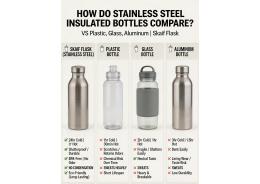
- 18/8 Stainless Steel: This type of stainless steel is food-grade and resistant to corrosion, making it a popular choice for water bottles and food containers.
- Silicone: Food-grade silicone is highly durable, heat resistant, and non-toxic.
- Polypropylene (PP): A robust and lightweight plastic that is free from harmful additives like BPA.
How Verification Occurs in the Production Process
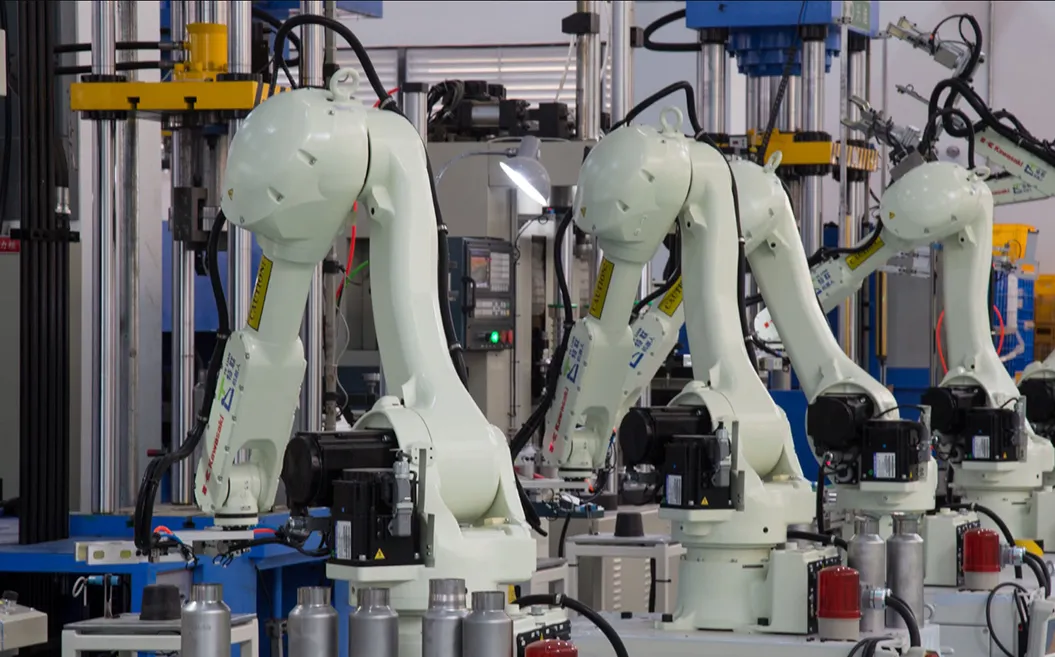
The production of food-grade and BPA-free materials requires rigorous testing and certification by regulatory agencies. Steps include:
- Material Sourcing: Ensuring raw materials meet food-grade and BPA-free guidelines.
- Third-Party Testing: External labs often verify compliance with standards set by organizations like the U.S. Food and Drug Administration (FDA) and EU regulations (EU No 10/2011).
- Quality Audits: Manufacturers regularly conduct audits and maintain certificates to validate compliance.
Why Choose Food-Grade and BPA-Free Products from Skaiflask?
At Skaiflask, we prioritize your safety by using only certified food-grade and BPA-free materials in our products. From vacuum-insulated stainless steel bottles to durable food containers, every item undergoes strict quality checks to ensure it meets global safety standards.
In addition to complying with safety requirements, Skaiflask’s products are designed for durability, sustainability, and convenience, making them a trusted choice for health-conscious consumers.
Conclusion
Using food-grade and BPA-free containers is one of the simplest ways to protect your health while enjoying your favorite meals or beverages. By focusing on high-quality materials and adhering to verified production processes, Skaiflask delivers products you can rely on. Learn more about our range of BPA-free and food-safe solutions today.