 English
 German
 French
 Russian
 Spanish
 Japanese
 Korean
 Portuguese
 Ukrainian
 Arabic
 Italian
How to Evaluate the Production Capacity and Quality Control System of a Drinkware Manufacturer in China (Taking Skaiflask as an Example)
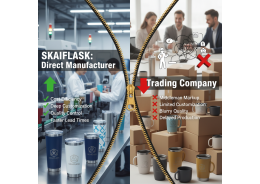
In the competitive landscape of China’s drinkware manufacturing industry, assessing a manufacturer’s production capacity and quality control system is crucial for businesses seeking reliable partners. This blog explores key evaluation criteria, using Skaiflask (a leading Chinese drinkware manufacturer) as a practical example to illustrate best practices and industry standards.
1. Evaluating Production Capacity
a. Manufacturing Facilities & Scale
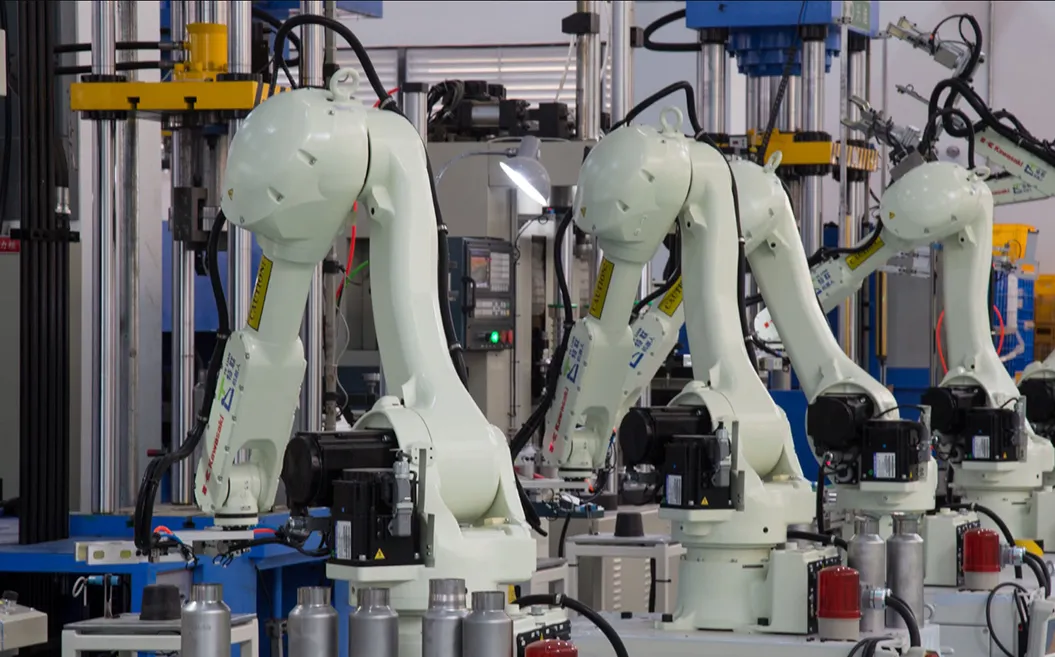
Start by analyzing the manufacturer’s production facilities. For Skaiflask, visiting their website or requesting a factory tour (virtual or in - person) reveals details about their workshop size, advanced equipment (e.g., automated production lines for stainless - steel flasks, injection - molding machines for plastic components), and production layout. A well - organized, technology - driven facility (like Skaiflask’s, which likely integrates smart manufacturing for efficiency) indicates a strong foundation for consistent output.
b. Production Volume & Lead Times
Ask for data on monthly/annual production volume (e.g., “Can Skaiflask produce 50,000 custom - branded tumblers per month?”) and typical lead times for bulk orders. Reliable manufacturers like Skaiflask will share transparent figures, demonstrating their ability to meet large - scale or urgent orders. For instance, if they specialize in vacuum - insulated flasks, check if their capacity aligns with your order size (e.g., 10,000 - 100,000 units per order) and if they can scale production during peak seasons.
c. Customization & Flexibility
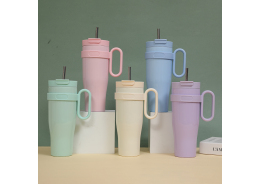
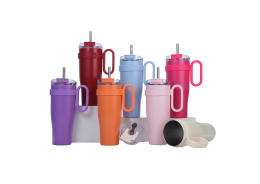
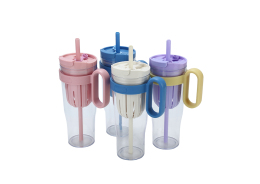
Evaluate the ability to handle custom designs (e.g., logo printing, unique shapes, material variations). Skaiflask’s product range (from stainless - steel water bottles to collapsible silicone cups) suggests they support OEM/ODM projects. Look for evidence of customization capabilities: Do they offer design support? Can they adjust wall thickness for insulation or experiment with new materials (e.g., eco - friendly PLA for straws)? A flexible manufacturer adapts to your brand’s unique requirements.
d. Supply Chain & Raw Material Management
Assess the supply chain: Where do they source raw materials (e.g., food - grade stainless steel, BPA - free plastics)? Skaiflask likely partners with certified suppliers to ensure consistency. A robust supply chain (with backup vendors) minimizes delays from material shortages. Also, check inventory management—do they use just - in - time (JIT) systems to reduce waste and optimize cash flow?
2. Evaluating the Quality Control (QC) System
a. Quality Management Standards
Check if the manufacturer follows international standards (e.g., ISO 9001 for quality management, ISO 14001 for environmental compliance) or industry - specific certifications (e.g., FDA, LFGB for food - contact safety). Skaiflask, as a professional drinkware maker, likely holds such certifications, proving their commitment to structured quality processes—from raw material inspection to final product testing.
b. In - House Testing Processes
Investigate the QC workflow: Does Skaiflask conduct inspections at every stage (incoming materials, in - process, final)? For example, they might test for vacuum integrity (in insulated flasks), leak - proofing, and material safety (e.g., heavy metal testing). Ask for details on their testing equipment (e.g., pressure testers, spectrophotometers for color consistency) and how often they audit processes (e.g., daily spot checks, weekly full audits).
c. Defect Rate & Continuous Improvement
A low defect rate (e.g., <1% for bulk orders) is a strong indicator. Skaiflask may share their defect metrics and how they address issues (e.g., root - cause analysis, employee training). Look for a culture of continuous improvement—do they invest in R & D to enhance product durability, ergonomics, or sustainability (e.g., using recycled materials)?
d. Customer Feedback & After - Sales Support
Review customer testimonials (on their website, third - party platforms) to gauge satisfaction. Skaiflask’s after - sales support (e.g., warranty, returns policy, responsive customer service) also reflects their commitment to quality. A manufacturer that resolves issues promptly (e.g., replacing defective products) builds trust.
Conclusion: Why Skaiflask Stands Out
When evaluating a Chinese drinkware manufacturer, Skaiflask exemplifies best practices: a modern production facility with scalable capacity, a rigorous QC system aligned with global standards, and a customer - centric approach. By analyzing these factors—production scale, technology, quality processes, and customer support—businesses can confidently partner with manufacturers that meet their needs for quality, reliability, and growth.
For more insights, contact Skaiflask directly to request a detailed capability report or arrange a factory visit. Choosing the right partner is key to success in the drinkware market!